Pakistan’s economic growth and job creation prospects are closely linked to the strength and vitality of its private sector. Small and medium enterprises (SMEs), traders, and emerging entrepreneurs form the backbone of the country’s economy, contributing significantly to employment and local economic activity. Yet, despite their importance, businesses across Pakistan continue to operate within a complex and fragmented regulatory environment that increases costs, consumes time, and discourages formalization and investment. Over the years, multiple layers of approvals, registrations, reporting requirements, and inspections by different authorities have created a compliance landscape that is often difficult to navigate. For many small businesses, the burden is not only financial but also administrative. Limited awareness, procedural duplication, and lack of coordination among regulatory bodies result in uncertainty and inefficiency. As a consequence, many enterprises either remain informal or limit their expansion, ultimately constraining economic growth and tax base expansion.
In an increasingly competitive regional environment, improving the ease of doing business is no longer a policy preference—it is an economic necessity. Simplified procedures, predictable regulations, and transparent digital systems can significantly reduce transaction costs, improve productivity, and encourage entrepreneurship. More importantly, a coherent regulatory framework can help shift businesses from survival mode toward growth and innovation. Digital transformation offers a practical pathway to address many of these structural challenges. A unified digital compliance system can consolidate multiple registrations and reporting requirements into a single platform, reducing physical interaction, minimizing discretion, and improving transparency. For SMEs in particular, such systems can save valuable time and resources, allowing them to focus on operations, market expansion, and job creation rather than administrative compliance.
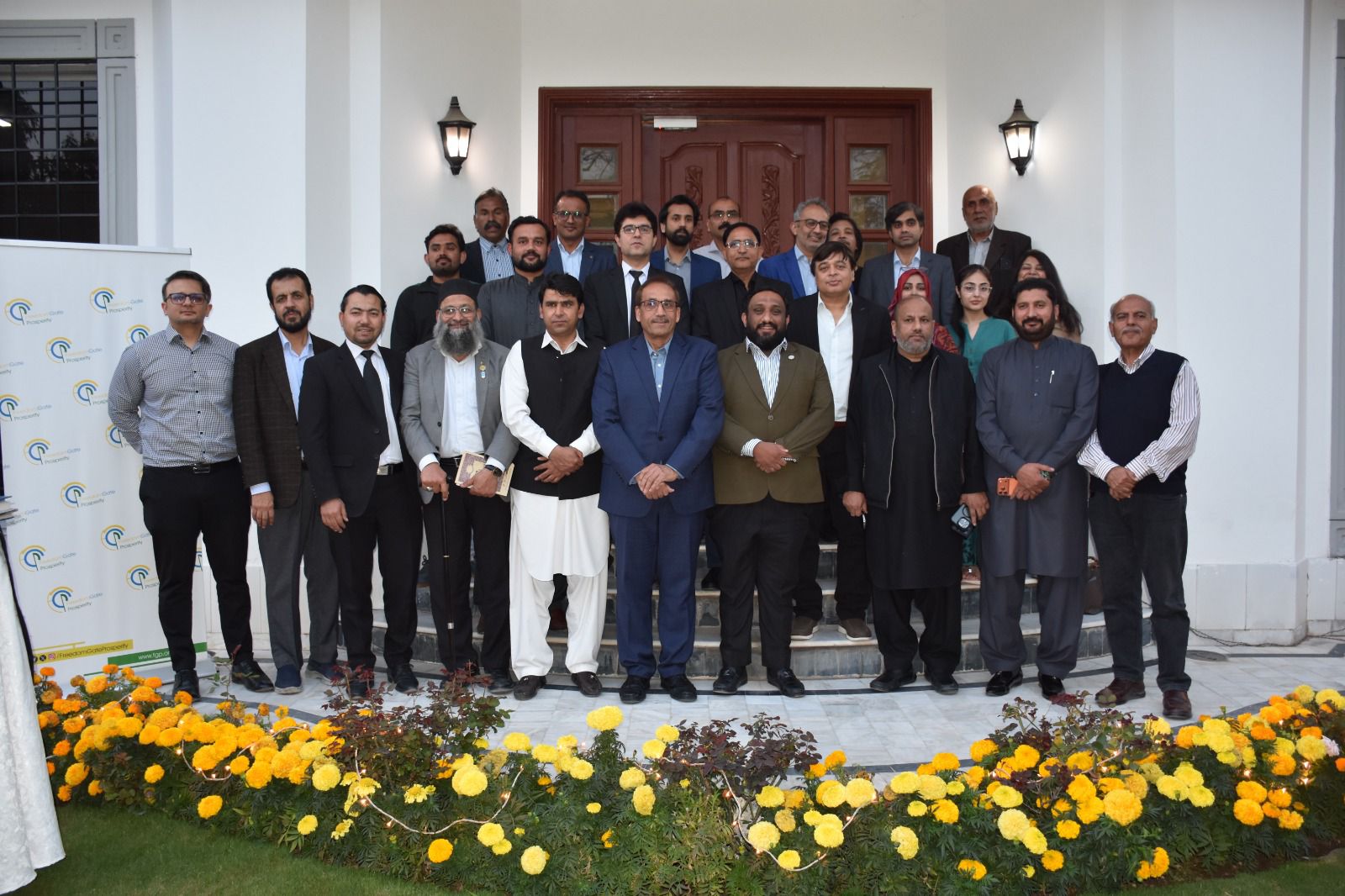
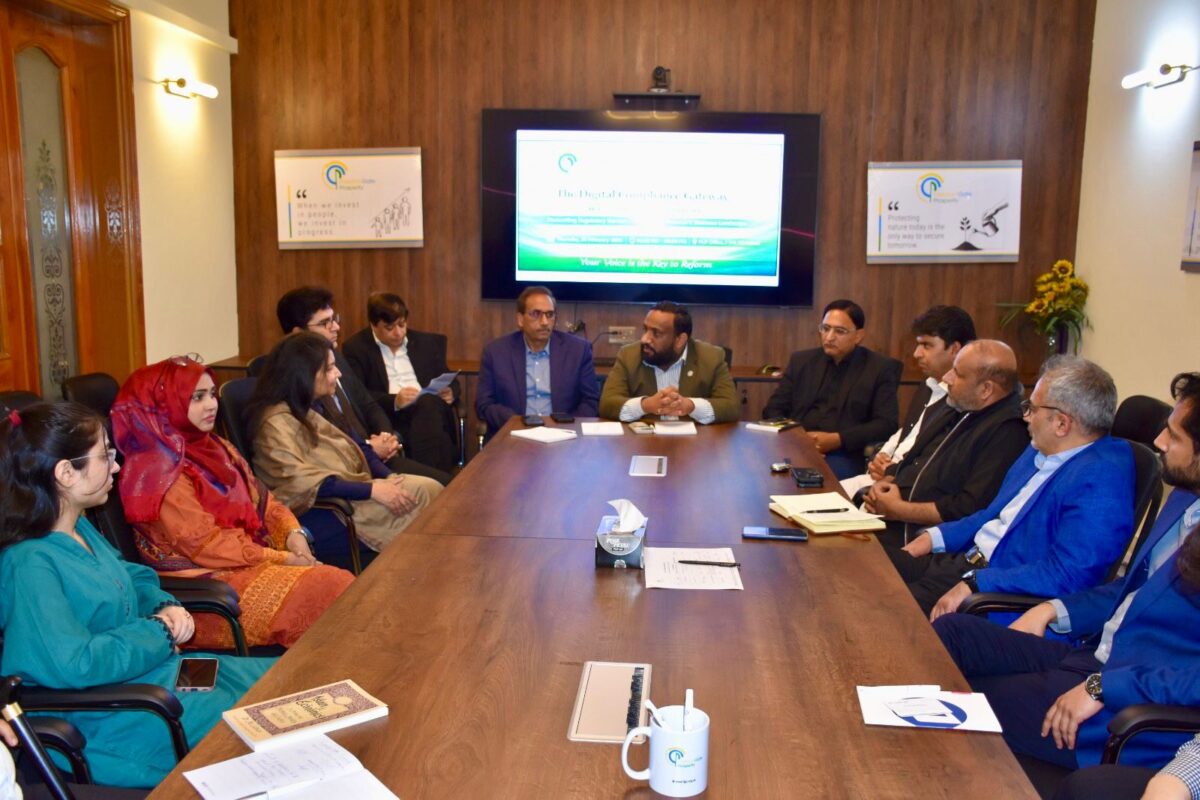
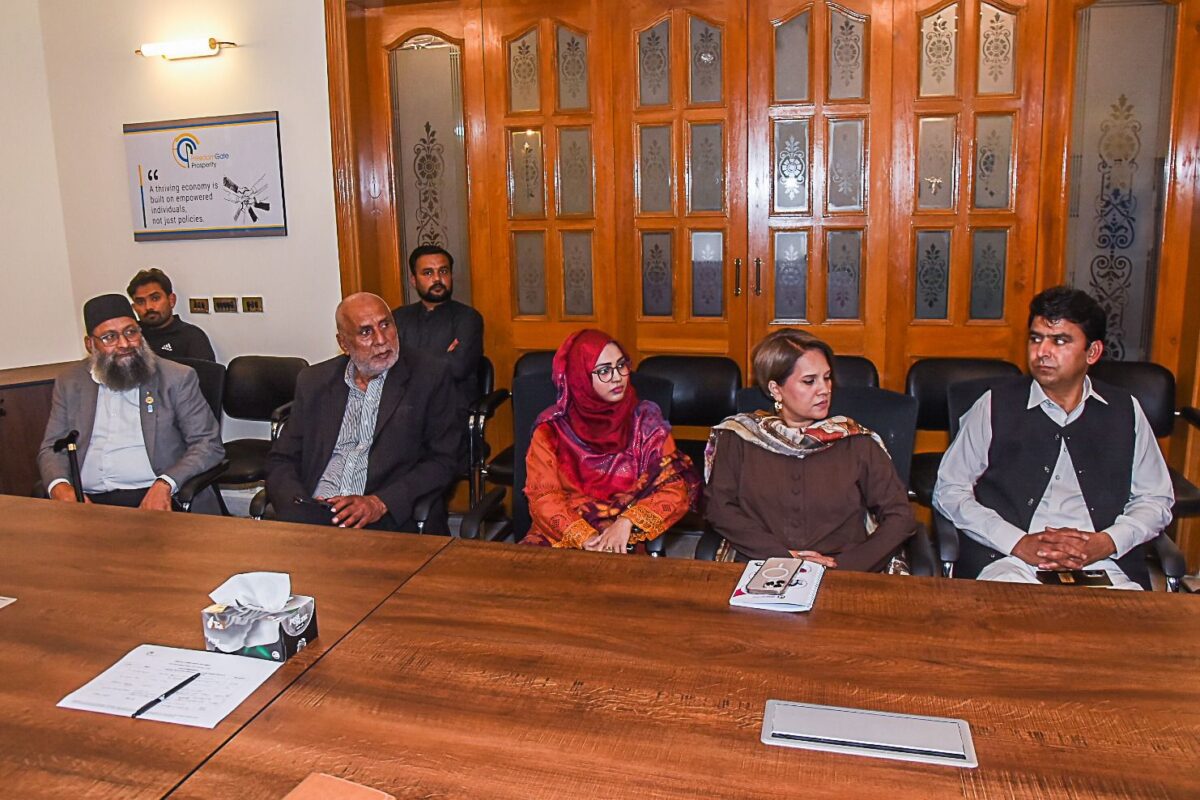
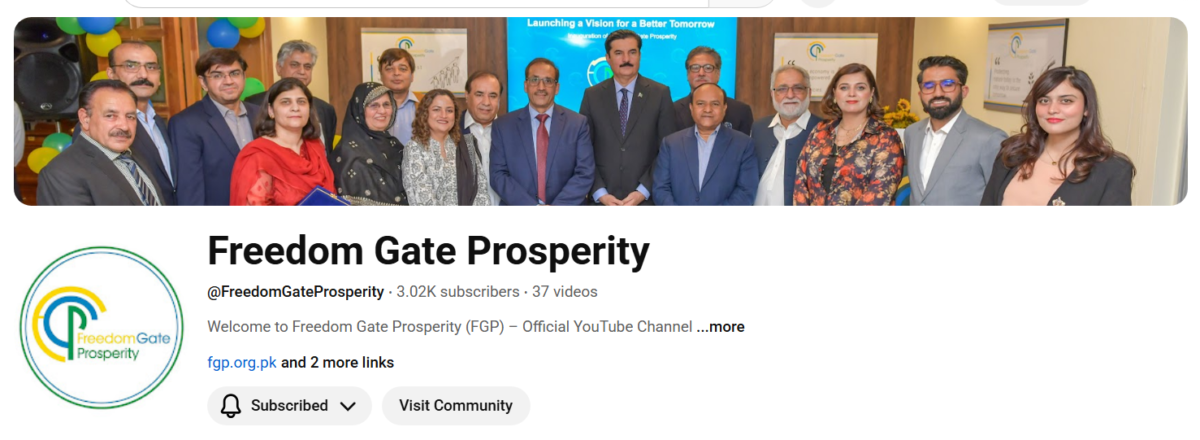
At the same time, regulatory reform must go beyond technology alone. Digital solutions will only deliver meaningful results if they are supported by policy coherence, institutional coordination, and stakeholder engagement. Reform efforts need to be grounded in evidence, informed by business realities, and implemented through a phased and consultative approach. In this context, Freedom Gate Prosperity (FGP), in collaboration with the Islamabad Chamber of Small Traders and Small Industries (ICSTSI), hosted an important stakeholder consultation to deliberate on the concept of a Digital Compliance Gateway under the broader #UnlockPakBusiness initiative. The discussion brought together policy experts, legal practitioners, business representatives, and development professionals to identify practical pathways for reducing compliance burdens and improving the regulatory environment.
Opening the session, Muhammad Anwar, CEO of FGP, emphasized that fragmented procedures and overlapping regulatory requirements discourage entrepreneurship and investment. He noted that creating a market-friendly policy environment requires evidence-based reforms, institutional collaboration, and a clear focus on reducing the operational barriers faced by businesses, particularly SMEs. Awais Satti, President of ICSTSI, highlighted the importance of sustained public-private dialogue to identify bottlenecks experienced by traders and small enterprises. He stressed that regulatory simplification and digital integration could significantly improve the ease of doing business, encourage documentation of economic activity, and support the transition toward a more formal and inclusive economy.
From a broader economic perspective, Dr. Ali Salman, Executive Director of the Prime Institute, pointed out that regulatory inefficiencies impose hidden costs on the economy. According to him, reducing unnecessary compliance requirements would enhance productivity, lower transaction costs, and improve Pakistan’s competitiveness in regional markets. The discussion also highlighted structural concerns within the current regulatory architecture. Regulatory reforms expert Mohsin Malik observed that businesses today operate within a complex and fragmented environment involving multiple authorities and overlapping mandates. He emphasized the need for coherent reforms supported by a streamlined digital framework to eliminate duplication, reduce uncertainty, and build investor confidence.
Providing a technical perspective, Sher Mohammad, Chairman of the Sustainable Development Committee ICSTSI, presented an overview of the estimated compliance burden faced by businesses and outlined the proposed Digital Compliance Gateway model. The proposed system aims to integrate registration and reporting requirements across agencies into a single platform, thereby reducing procedural complexity and improving regulatory transparency. Industry representatives further reinforced these concerns through practical insights. Legal Advisor ICSTSI, Asad Taimur, shared ground-level challenges faced by traders, particularly the difficulties arising from multiple registration requirements and repetitive documentation across different agencies. Senior legal expert Dr. Zia Ullah Ranjha highlighted the legal and regulatory overlaps that often result in procedural delays and increased operational costs for businesses.
The consultation concluded with a broader stakeholder dialogue on reform priorities, advocacy strategies, and the need for sustained engagement between policymakers, regulators, and the private sector. Participants agreed that regulatory reform should be viewed not as a one-time intervention but as a continuous process aligned with economic realities and technological progress. Pakistan’s economic future depends not only on policy intent but on implementation that simplifies processes, builds trust, and enables businesses to grow. A predictable and efficient regulatory environment can unlock entrepreneurship, expand the formal economy, and generate much-needed employment opportunities, particularly for the country’s growing youth population.
Initiatives such as the Digital Compliance Gateway reflect a growing recognition that reform must be practical, consultative, and technology-enabled. By bringing together government stakeholders, business communities, policy experts, and development institutions, such platforms help bridge the gap between policy design and operational reality.
If sustained and translated into actionable policy measures, this emerging narrative of simplification, coordination, and digital transformation can contribute to building a more conducive business environment. With collective commitment and collaborative action, Pakistan can move toward a regulatory system that supports enterprise rather than constrains it—unlocking economic potential and laying the foundation for inclusive and sustainable growth.
Shafqat Aziz
About Author:
Shafqat Aziz is a seasoned Development Communications Specialist, Policy Advocate, and Master Trainer with over 20 years of experience in policy advocacy, media engagement, and stakeholder collaboration.
The author can be reached at sh*****@***il.com