In a long professional journey, some lessons come from manuals and formal training, but the most lasting ones come from people who quietly shape how you think, work,
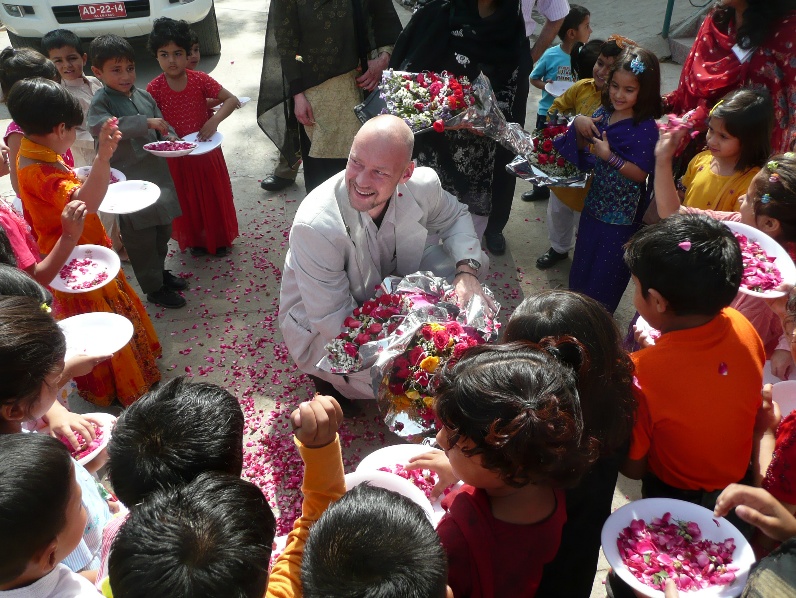
and live. One of the most formative periods of my career was the five years I spent working under Mr. Olaf Kellerhoff at the Friedrich Naumann Foundation for Freedom, from August 2008 to August 2013, during his tenure as Country Director.
By the time Mr. Kellerhoff joined, I had already been associated with the Foundation since 1992 and was the senior local team member, reporting directly to him. Despite my long experience, those five years fundamentally reshaped my understanding of leadership, professionalism, and work–life balance.
One of the earliest and most difficult lessons he taught me was about rest and trust. For years, I had avoided taking annual leave, convinced that the office could not function without me. Mr. Kellerhoff insisted that I take three full weeks of leave, despite my hesitation and anxiety. That decision proved transformative. For the first time, I spent uninterrupted time with my family, took care of my home, and returned
to work with renewed clarity and energy. I learned that stepping away does not weaken an organization. It strengthens both the individual and the institution.
He also influenced my approach to health and personal discipline through his own example. His routine of running and regular gym sessions quietly encouraged me to rethink my lifestyle. Within four months, I lost around 15 kilograms and significantly reduced my waist size. More importantly, I realized that personal well-being and professional effectiveness are closely connected.
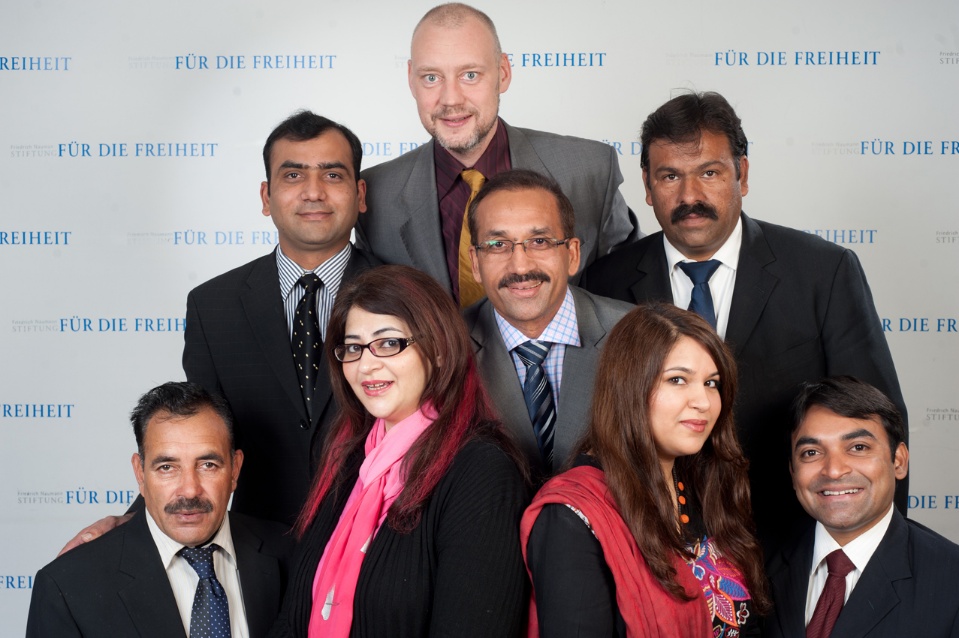
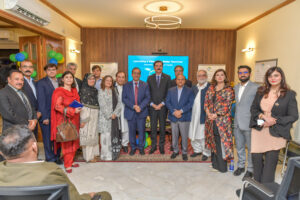
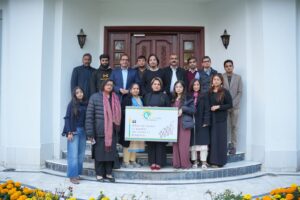
There were also deeply human lessons that stayed with me. Before his tenure, I rarely smiled in photographs, not even on important personal occasions. He noticed this small detail and addressed it with warmth and humor, asking colleagues to crack jokes during group photos, so I would laugh naturally. From that period onward, my smile became visible not only in pictures but also in daily interactions. He also helped me break unconscious habits, such as always standing in the same position in group photographs, by gently changing routines and making me more aware of patterns I had never questioned.
Professionally, he taught me that leadership is reflected in tone, manners, and respect. He emphasized smiling while speaking on the phone so the other person can feel warmth even without seeing you. He showed us how to receive visitors properly and escort them to the main gate when they leave, instead of saying goodbye from behind a desk. These simple gestures helped build a culture of dignity and openness.
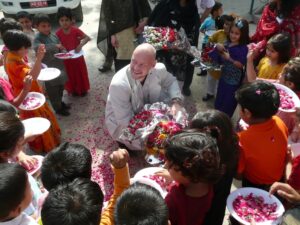
What left a particularly strong impression on me was his humility. He never behaved like a boss. He acted as a team leader and colleague. On several occasions, while I was meeting guests, he personally prepared and served tea and cookies. In a South Asian context, this is highly unusual for a head of office, yet for him it was entirely natural. His behavior removed fear, hierarchy, and distance from the workplace.
One personal incident vividly captured this spirit. Soon after he arrived in Pakistan, we went together to Metro Mall for office purchases. I also bought garden chairs for my home. When we reached my house, instead of waiting, he picked up the chairs himself and carried them up to the rooftop on his shoulders. My wife was genuinely surprised. In our culture, it was almost unimaginable that one’s boss would carry an employee’s household items. For me, it was a powerful, wordless lesson in humility and human equality.
Because of the example he set, I never hesitated to help with everyday hospitality myself. If guests were visiting the office and there was a practical need, I would prepare tea or assist with arrangements. Sometimes visitors felt embarrassed, thinking I was too senior for such tasks. I would simply explain that this was our team culture. If our head of office could prepare tea for my guests, then it was an honor for me to do the same for others.
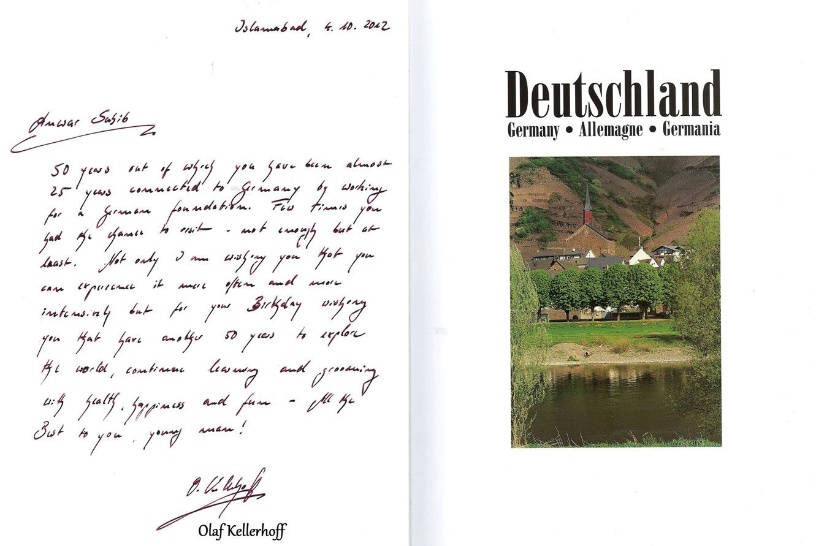
He also believed in thoughtful, practical care for his team. Instead of symbolic gifts, he gave us useful items such as tie clips, battery-powered lights, and other essentials that genuinely helped in our daily lives. These gestures reflected a deeper principle: leadership is not only about strategy and targets, but about understanding real needs.
Beyond people management, he paid close attention to communication, presentation, and branding. As a keen photographer, he taught us how to connect our pictures to our institutional identity by ensuring the logo appears naturally within the frame, creating a clear visual link. He introduced us to simple composition principles, such as the golden ratio, and emphasized practical details, like avoiding poor lighting or backlighting that can ruin an otherwise good photograph.
He also shared a subtle but powerful marketing insight: do not promote yourself or your product directly. Let your actions and wording speak for you. For example, instead of saying, “It’s my birthday,” say, “Thank you to the friends who made my day special.” The message feels more authentic, builds goodwill, and reflects confidence without self-promotion. This lesson has stayed with me in both professional communication and public engagement.
Alongside these values, he invested deeply in professional grooming and organizational discipline. He introduced the team to international standards of etiquette, basic protocol, dress code, and presentation, not for show but to build confidence and credibility. He strengthened my skills in planning and implementation, seating arrangements based on group size, networking strategies that encouraged engagement across tables, and disciplined file and folder naming. These details, often overlooked, continue to guide my work today.
When I reflect on those five years, one conclusion stands out clearly: learning does not stop at any stage of life. It continues wherever we remain open to it, and often it comes through people who lead with integrity, humility, and respect. That period remains one of the richest learning phases of my entire tenure at FNF, and I remain deeply grateful for it.
“Learning never stops. When leadership is rooted in humility and respect, gratitude becomes a lifelong responsibility.”
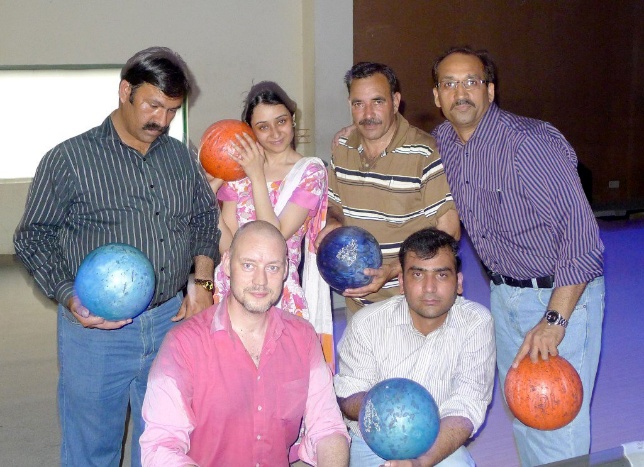
Muhammad Anwar
About Author:
Muhammad Anwar is a seasoned development professional, civic educator, and advocate of liberal democratic values with over 33 years of distinguished service in Pakistan’s development and civil society sector. He is the Chief Executive Officer of Freedom Gate Prosperity (FGP), a non-profit organisation established under Section 42 of the Companies Act, 2017. Under his leadership, FGP empowers communities through skills development, environmental stewardship, civic engagement, and inclusive economic opportunities, particularly for youth, women, and marginalised groups. Mr. Anwar’s leadership at FGP reflects a lifelong commitment to building a just, peaceful, and climate-resilient society.
The author can be reached at ✉ he***@****ar.me