FGP and ICSTSI Hold Consultative Meeting on Ease of Doing Business Reforms
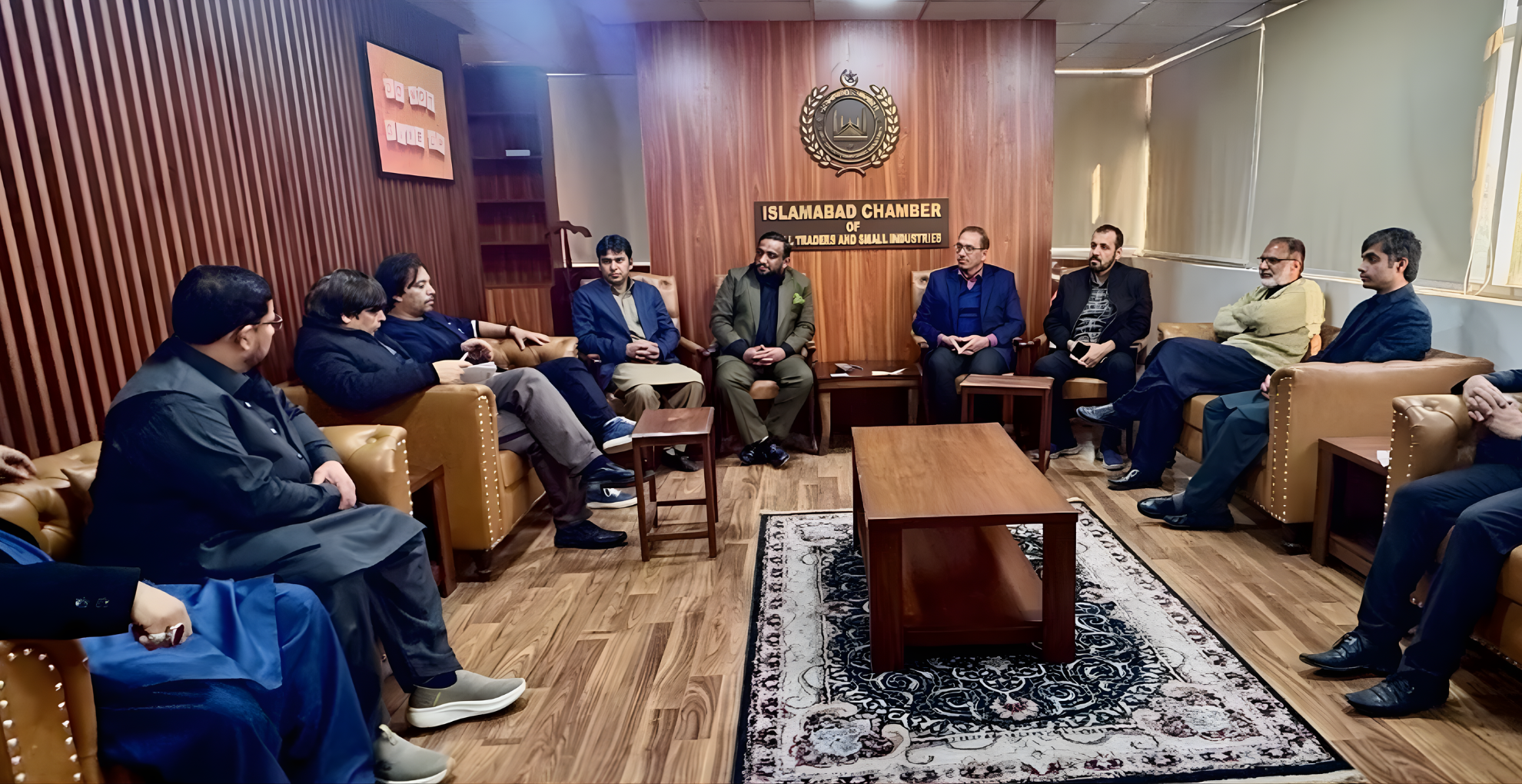
Freedom Gate Prosperity (FGP) and the Islamabad Chamber of Small Traders and Small Industries (ICSTSI) held a consultative meeting to examine practical obstacles that micro and small enterprises encounter while navigating federal compliance processes in Pakistan.
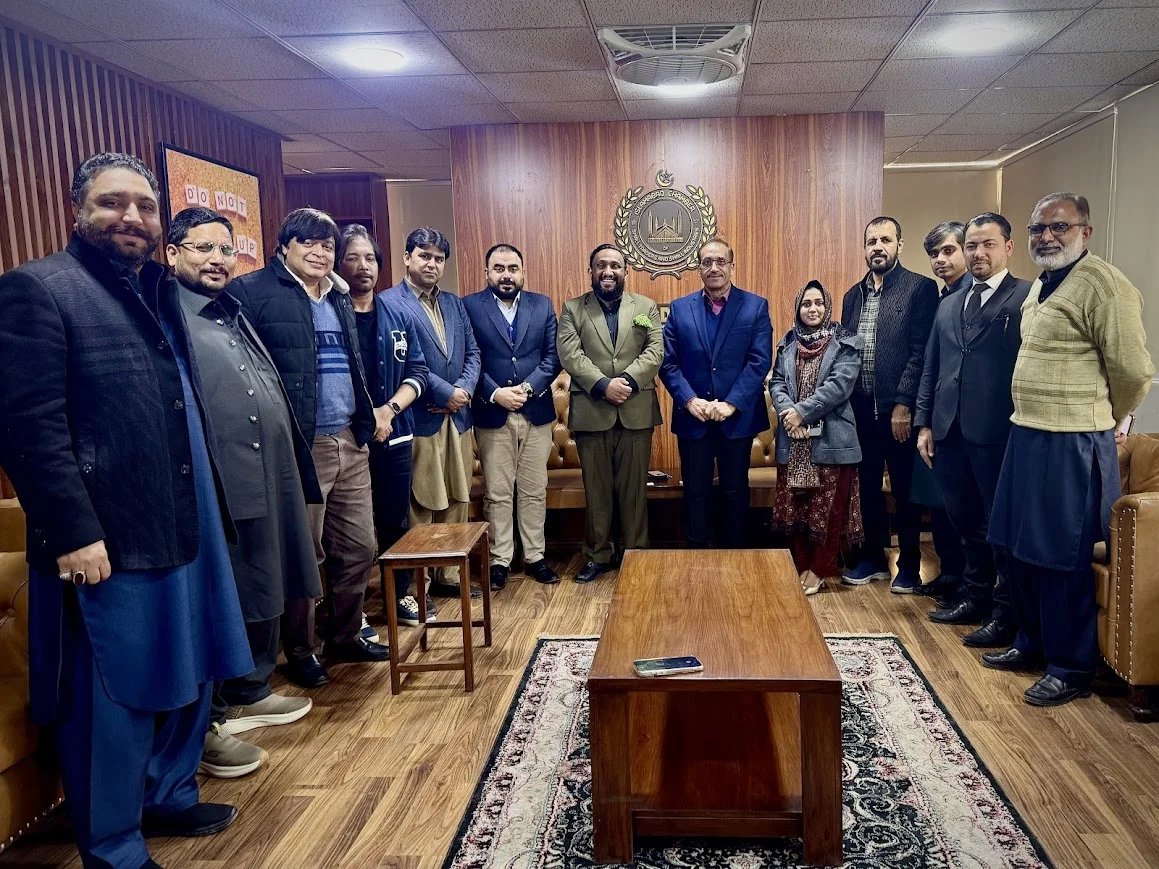
The meeting brought together representatives from FGP, ICSTSI's executive committee, small traders, and partner organizations including Atlas Network and Micronox Digital to discuss regulatory simplification and digital compliance solutions for Pakistan's SME sector.
The Challenge: Compliance Barriers for Small Businesses
The session focused on the real-world challenges faced by micro and small enterprises when dealing with fragmented federal compliance requirements. Participants highlighted how these barriers lead to increased business costs, discourage formalization, and create regulatory uncertainty — ultimately hindering economic growth at the grassroots level.
"Fragmented and duplicative compliance requirements continue to place a heavy burden on small businesses by increasing costs and discouraging entry into the formal economy. We must work together to simplify these processes and create an environment where small enterprises can thrive."
— Muhammad Anwar, CEO, Freedom Gate Prosperity
Voices from the Business Community
Muhammad Awais Satti, President of ICSTSI, emphasized that small traders frequently experience delays, ambiguity, and multiple regulatory touchpoints when attempting to comply with federal requirements. He reaffirmed the chamber's full support for reforms that enhance predictability and reduce the administrative burden on its members.
The meeting was attended by senior ICSTSI leadership including Sheikh Tayyab Saeed (Senior Vice President), Sardar Zaheer Ahmed (Vice President), and Sher Muhammad, along with executive committee members representing diverse segments of Islamabad's small business community.
The Digital Compliance Gateway
A central initiative discussed during the meeting was the proposed Digital Compliance Gateway — a platform designed to consolidate initial compliance requirements through simplified digital processes for micro and small enterprises. The gateway aims to:
- Simplify Registration & Licensing — Create a single digital entry point for small businesses to understand and complete their compliance requirements, eliminating the need to navigate multiple agencies
- Reduce Regulatory Duplication — Map overlapping compliance requirements across federal bodies and recommend streamlined pathways that reduce time and cost for entrepreneurs
- Increase Transparency — Provide clear, accessible information on compliance timelines, fees, and procedures so that small traders can plan with confidence
- Support Formalization — Lower the barriers to entry for informal businesses seeking to join the formal economy, contributing to broader tax base expansion and economic documentation
Agreed Next Steps
Both organizations agreed on a structured roadmap to advance the reform agenda:
- Document Compliance Journeys — Map the actual compliance experiences of ICSTSI chamber members to identify specific pain points and bottlenecks in federal processes
- Identify Federal Bottlenecks — Conduct a detailed analysis of compliance pathways to pinpoint where delays, duplication, and ambiguity are most severe
- Develop Policy Recommendations — Jointly produce evidence-based policy briefs for federal authorities with actionable reform proposals
- Nominate Case Studies — Select member businesses to participate in documented case studies that illustrate the real impact of compliance barriers
- Ongoing Coordination — Designate focal persons from both organizations for sustained follow-up and implementation tracking
A Model for Civic-Private Collaboration
The FGP-ICSTSI consultative meeting represents a growing model of civic-private collaboration in Pakistan — where non-profit organizations, business chambers, and technology partners come together to advocate for practical, evidence-based reforms. By combining FGP's policy research expertise with ICSTSI's on-the-ground knowledge of trader challenges, this partnership is well-positioned to drive meaningful change in Pakistan's business regulatory environment.
The involvement of Atlas Network as a global partner and Micronox Digital as a technology solutions provider further strengthens the initiative, ensuring that proposed reforms are both globally informed and locally implementable. The FGP delegation included Mr. Muhammad Anwar (CEO), Shafqat Aziz, Dr. Shahbaz Tariq, and Asad Rafi (CEO, Micronox Digital).