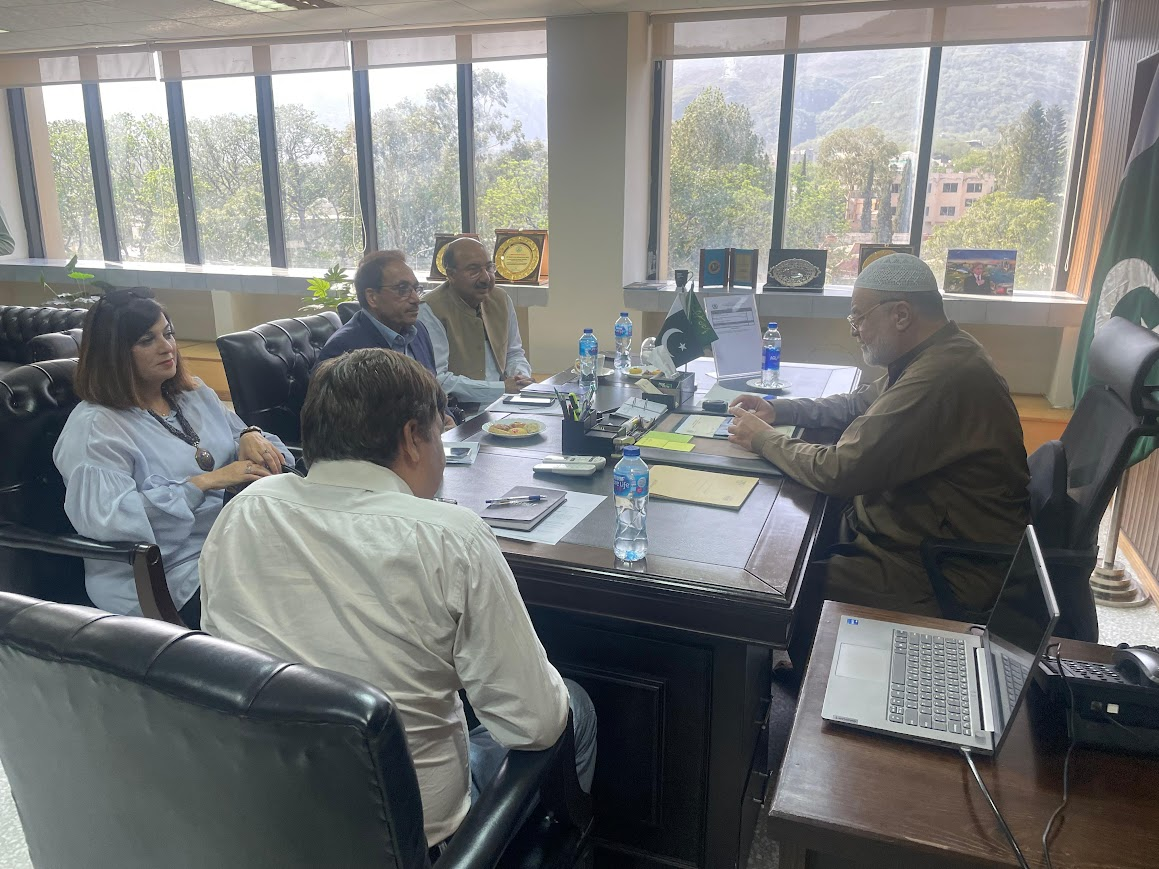
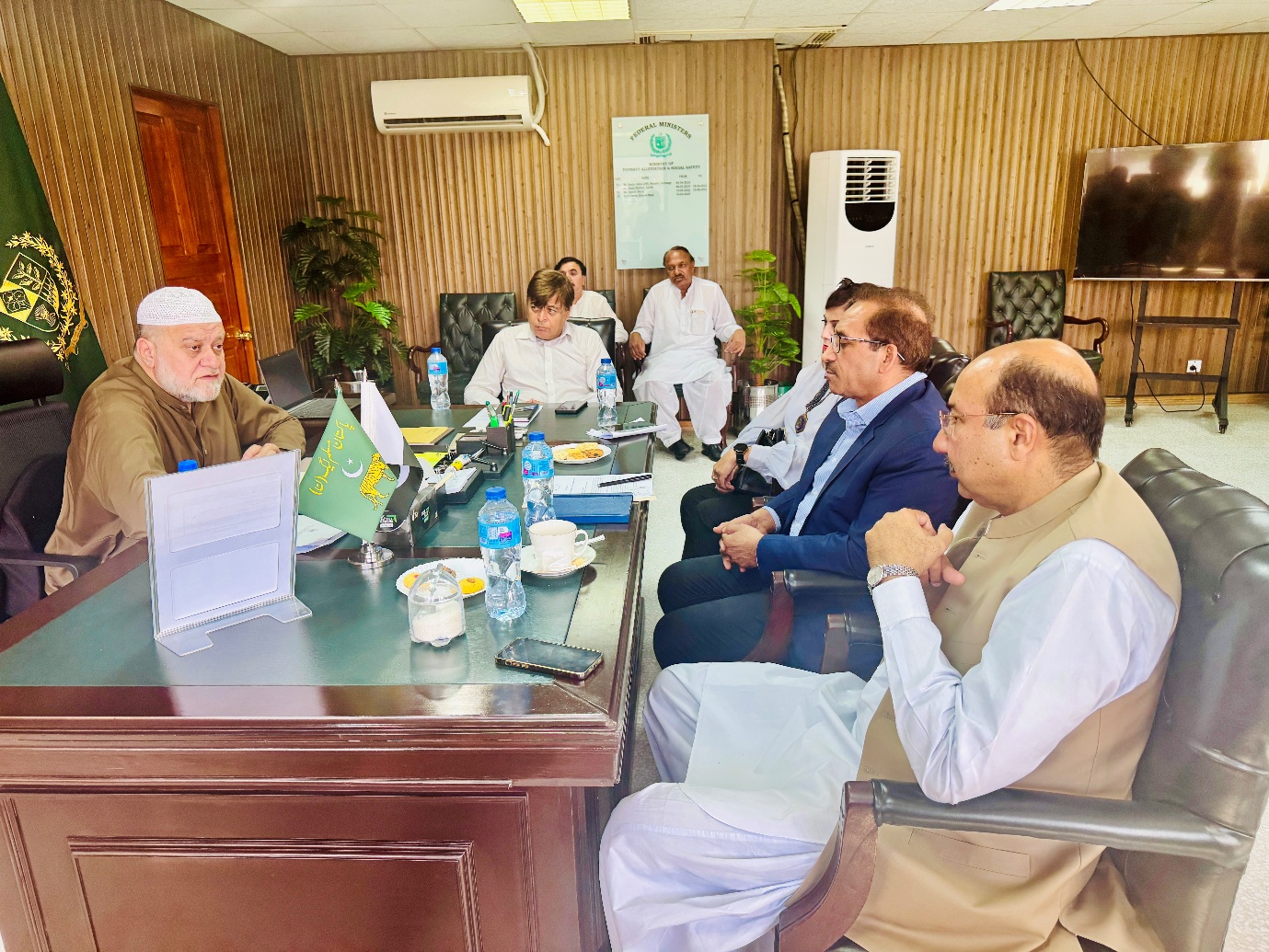
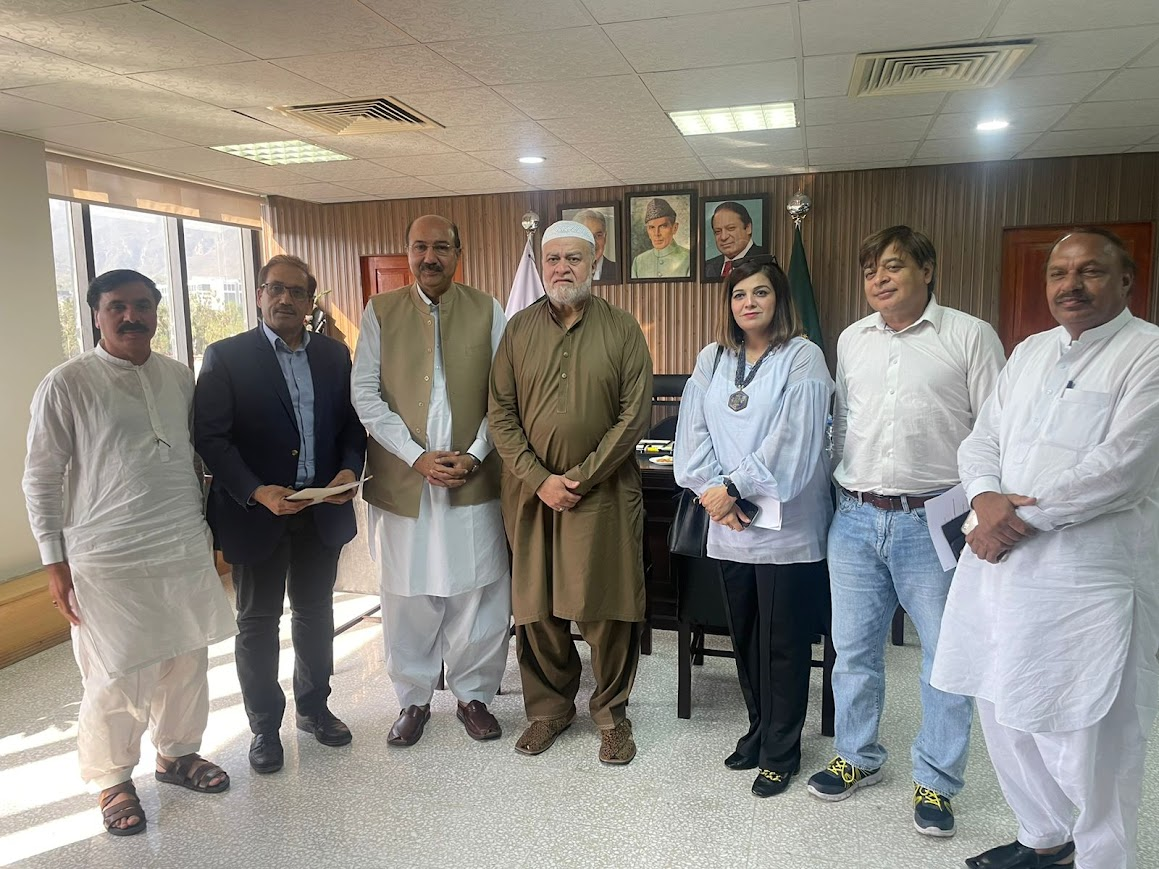
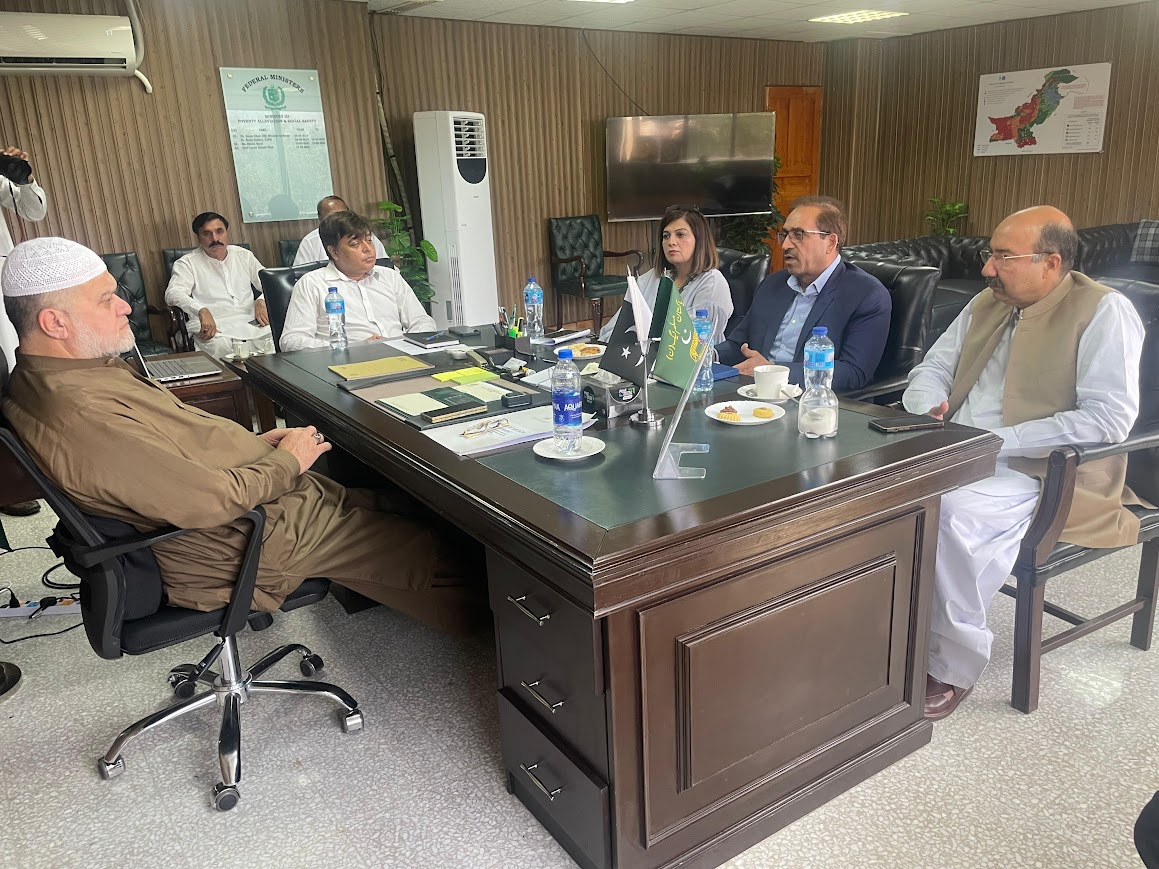
A delegation from Freedom Gate Prosperity (FGP) held a substantive meeting at the office of Federal Minister Syed Imran Ahmad Shah to discuss pressing issues related to poverty alleviation, inclusive economic empowerment, and climate resilience for underprivileged communities.
The discussion focused on practical, people-centered approaches that integrate livelihood development, skills enhancement, and climate-smart solutions to help vulnerable households move beyond short-term coping toward sustainable self-reliance. The Minister appreciated FGP’s integrated model and encouraged exploring actionable avenues of collaboration that can deliver measurable outcomes at the grassroots level.
Empowerment with sustainability
FGP’s Chief Executive Officer Muhammad Anwar emphasized that lasting change begins when communities are enabled to shape their own futures. He outlined FGP’s approach of combining economic empowerment with climate adaptation, ensuring communities are not forced to choose between income security and environmental sustainability.
Parliamentary and alumni perspective
Also accompanying the delegation was Shakir Bashir Awan, Member of the National Assembly and an alumnus of the Freedom Gate network. He underscored the importance of aligning public policy with grassroots realities, noting that community-driven models, such as those advanced by FGP, can inform more responsive legislation and development planning. He added that empowering youth, women, and small entrepreneurs through skills and climate-resilient livelihoods strengthens social stability and democratic participation
Awareness, communication, and behavior change
FGP Board Member Urooj Raza Sayyami highlighted that poverty reduction must be supported by sustained public awareness and behavior change. She stressed the role of communication and media in promoting skills development, encouraging climate-smart living, and building social acceptance for reforms that directly benefit marginalized communities.
Climate resilience at the community level
Also present at the meeting, Shafqat Aziz, Head of FGP’s Climate Change Desk, reiterated the need to make climate knowledge and resilience tools accessible at the community level. He emphasized practical preparedness, early action, and locally relevant adaptation strategies, particularly for women, youth, and rural households most exposed to climate risks.
The meeting concluded with a shared commitment to remain engaged and to identify concrete steps for collaboration to advance poverty alleviation through evidence-based planning, inclusive partnerships, and community-led solutions.