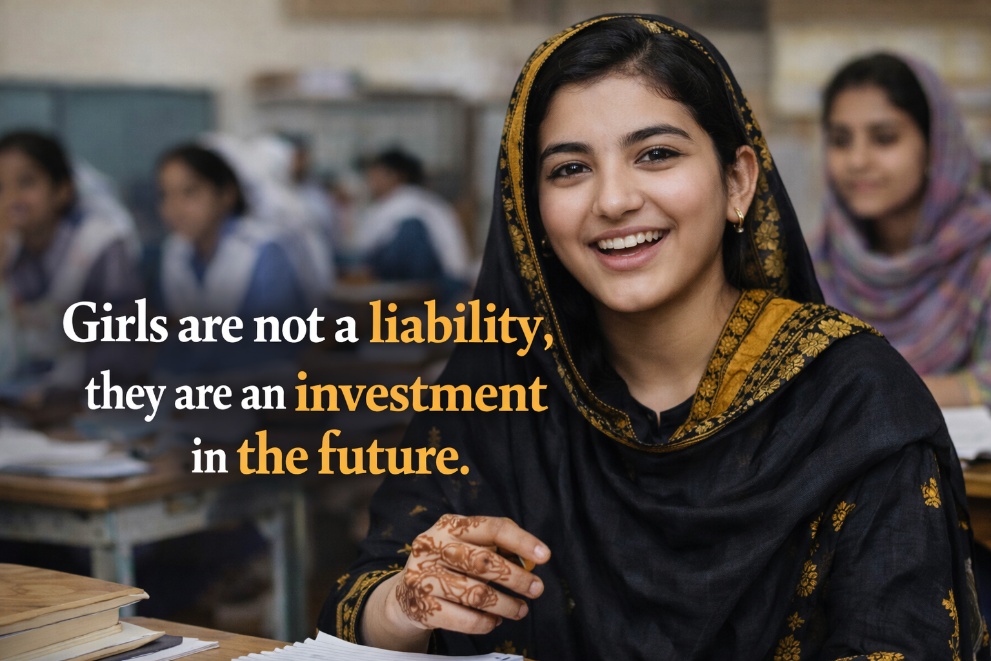
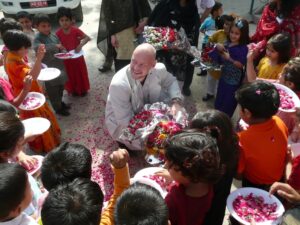
Girls do not hold the economy back; they help it grow. They are a powerful source of hope, strength, and opportunity for Pakistan. Yet across many parts of the country, deep-rooted social norms and economic pressures continue to shape the belief that investing in girls brings limited returns. This perception affects decisions made at home, in communities, and in public policy. In reality, when girls are educated, supported, and given equal opportunities, they become a driving force for family wellbeing, social stability, and national development. Pakistan’s future is closely tied to how it values and invests in its adolescent girls today.
For many girls in Pakistan, adolescence is a turning point where opportunities begin to shrink rather than expand. Poverty, early marriage, domestic responsibilities, lack of safe and accessible schools, and cultural expectations often push girls out of education. When a girl is denied the chance to learn and grow, her potential is placed on hold. This loss extends beyond the individual. Communities lose future professionals, leaders, and entrepreneurs, while the country loses a vital source of human capital needed for progress.
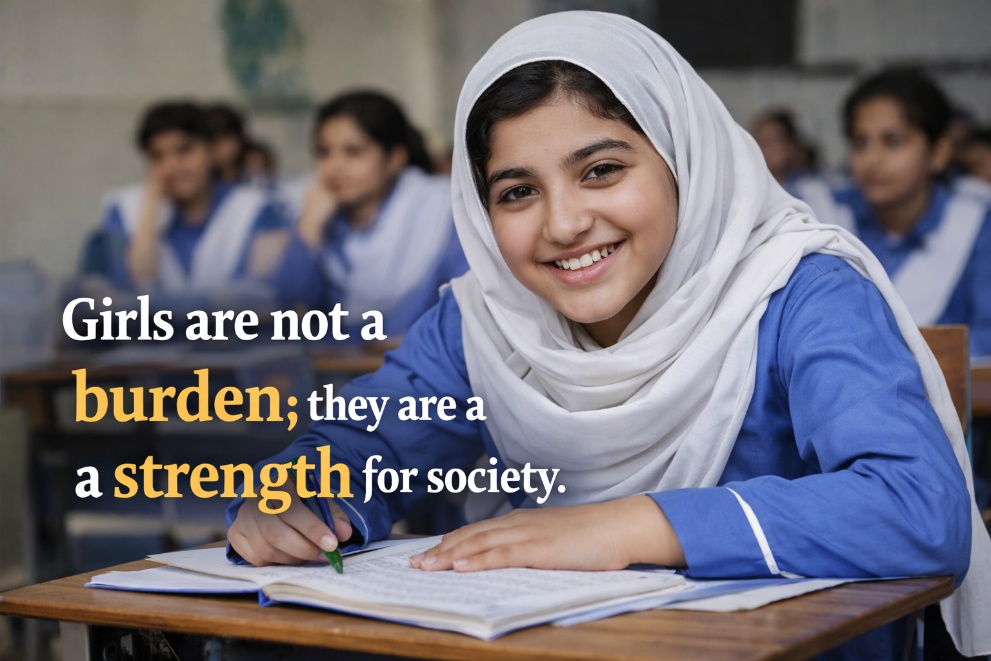
Education remains the strongest foundation for empowering girls. Girls who stay in school are more likely to delay marriage, make informed health decisions, and participate meaningfully in the economy. Education builds confidence, critical thinking, and skills that allow girls to contribute to their families and communities. In Pakistan, investing in girls’ education requires more than increasing enrollment. It demands safe learning environments, trained teachers, affordable access, and community support that encourages families to keep their daughters in school, especially during adolescence.
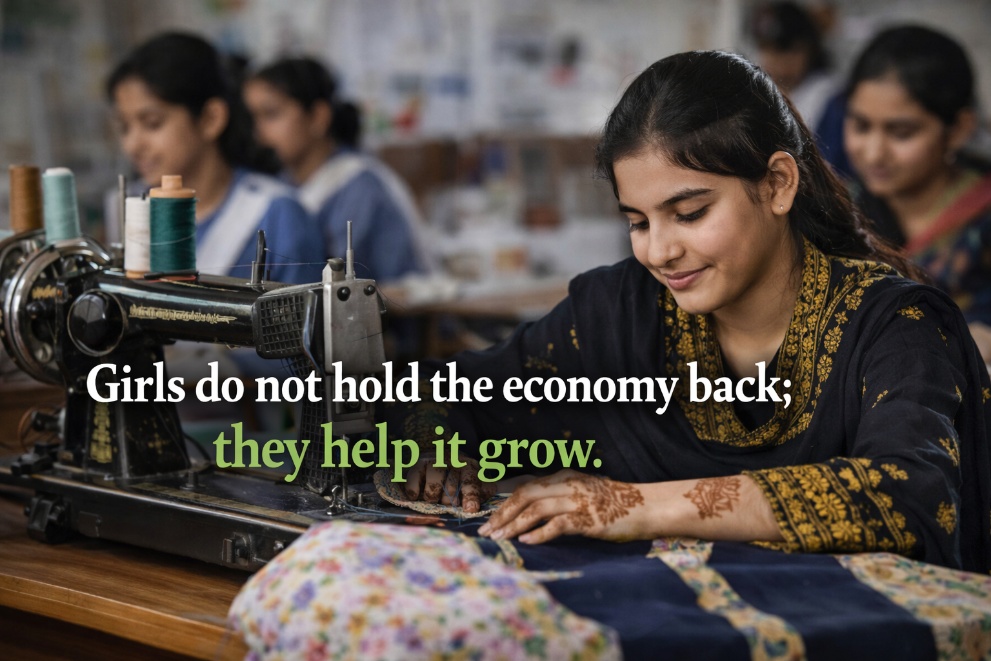
The belief that girls are dependents rather than contributors ignores their economic potential. Educated and skilled girls can support household incomes, strengthen local economies, and contribute to national growth. From agriculture and small enterprises to education, healthcare, and digital services, women and girls play an essential role in every sector. When adolescent girls are given access to skills training and employment opportunities, they are better equipped to break cycles of poverty and build resilient livelihoods for themselves and their families.
Health, safety, and dignity are equally critical for girls to thrive. Many girls in Pakistan face challenges related to nutrition, limited access to healthcare, and gender based violence. These issues affect their physical and mental well-being and directly limit their ability to learn and participate in society. Ensuring that girls are safe, healthy, and respected allows them to pursue education and opportunities with confidence. A society that protects its girls lays the groundwork for long-term stability and development.
Creating a brighter future for girls requires collective action. Families, communities, schools, media, civil society, and government institutions must work together to challenge harmful norms and remove structural barriers. Parents play a key role by supporting their daughters’ education and aspirations. Communities can promote positive attitudes toward girls and celebrate their achievements. Policies and public investments must prioritize girls’ education, health, and protection, ensuring that laws are not only written but also effectively implemented.
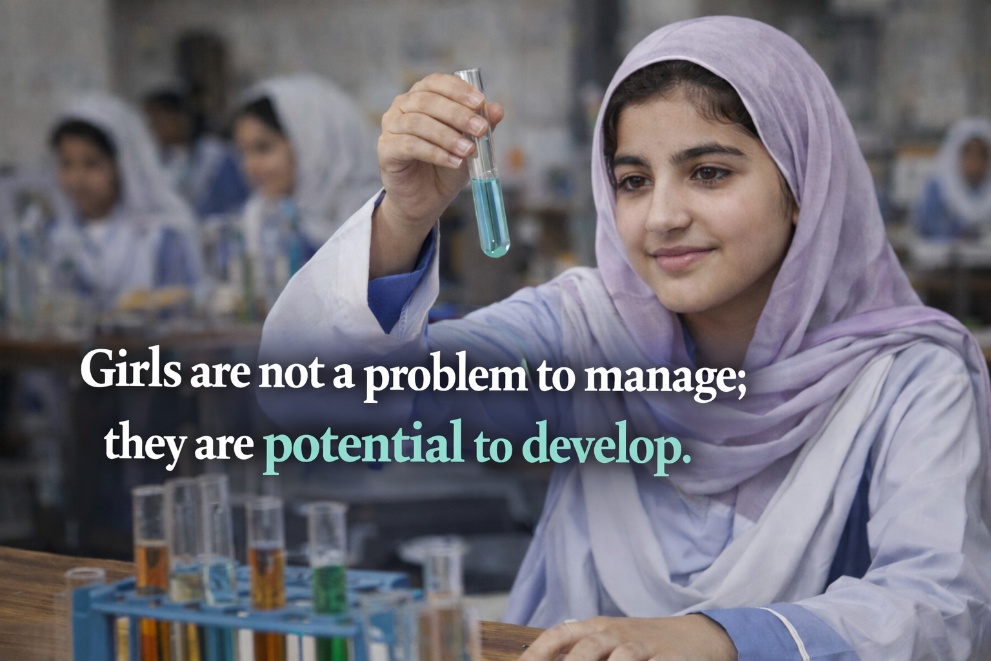
Adolescent girls are not passive beneficiaries of change. Across Pakistan, girls are demonstrating leadership, resilience, and innovation despite significant challenges. When their voices are heard and their ideas are valued, they contribute to solutions that benefit entire communities. Empowering girls to participate in decision-making strengthens programs and ensures that interventions respond to real needs.
Every adolescent girl has the right to grow, learn, and thrive free from barriers that limit her future. Investing in girls is not an act of charity but a strategic choice for Pakistan’s social and economic progress. When girls are supported to reach their full potential, families become stronger, communities become more resilient, and the nation becomes more prosperous. Girls are not economic burdens. They are the foundation of a hopeful and sustainable future for Pakistan.
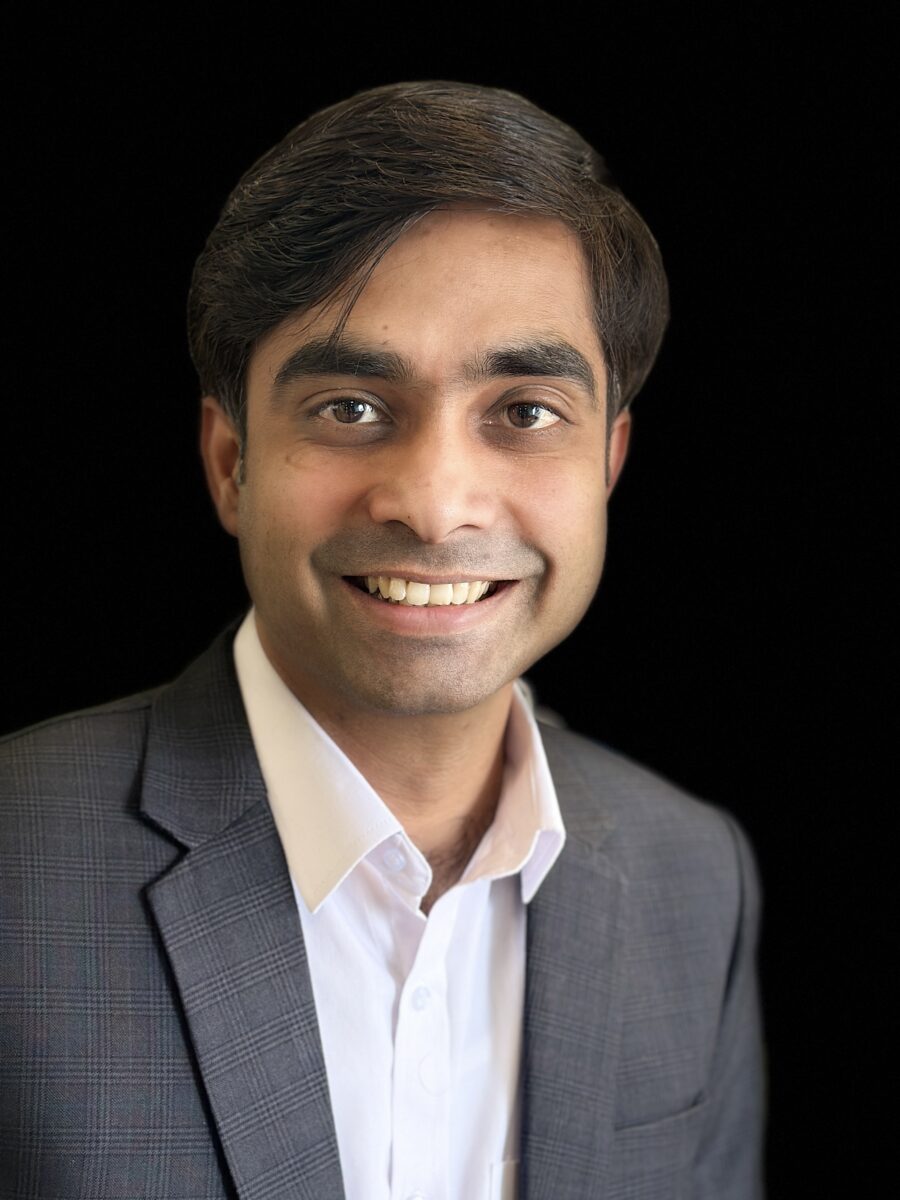
About Author: Dr Shahbaz Tariq is a finance and economics professional with 14+ years of experience across international NGOs, diplomatic missions, and academia, with roles at the Australian High Commission, FNF, CPDI, and Helping Hand for Relief & Development. He holds a PhD in Finance and Economics and leads economics and governance research at Freedom Gate Prosperity, focusing on donor compliance, fintech, corporate governance, and evidence-based policy and programs.
The author can be reached at sh***********@*****rg.pk