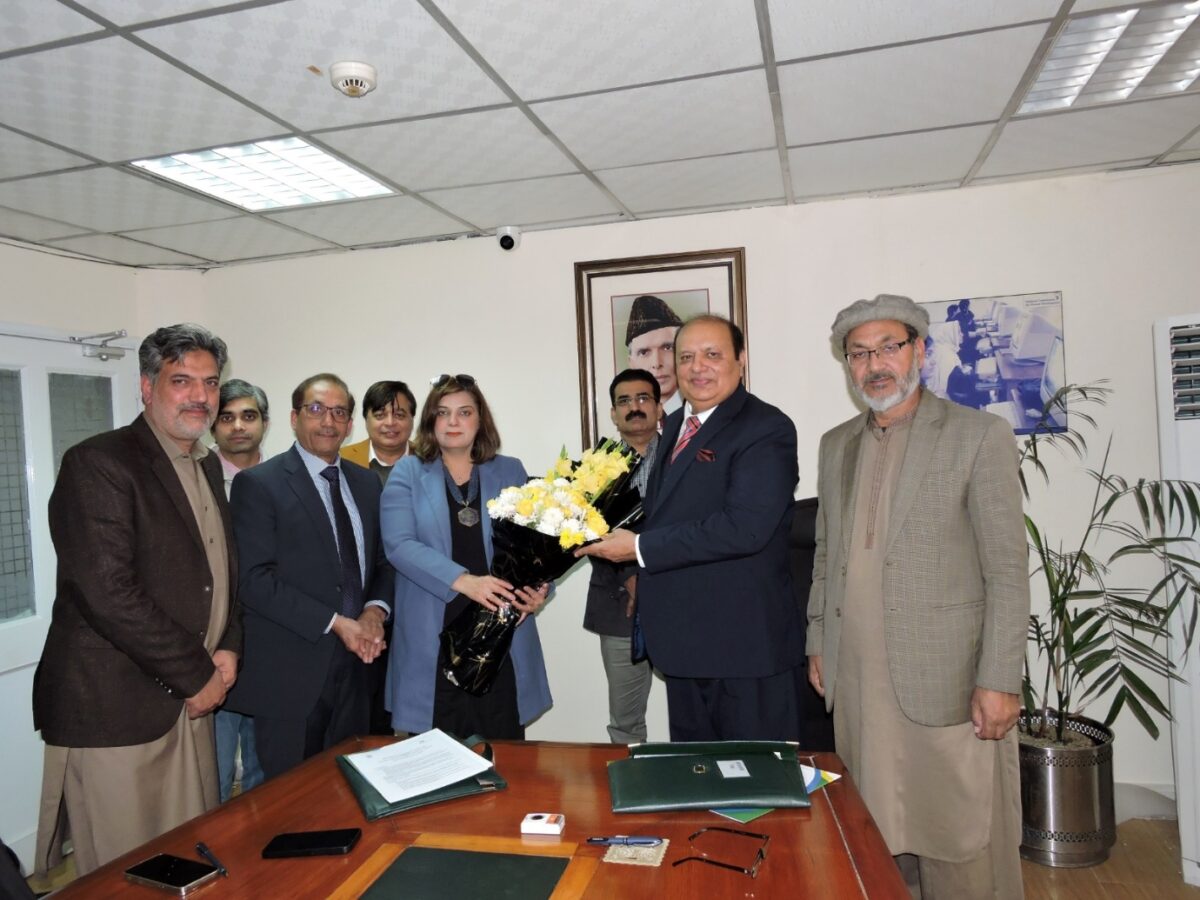
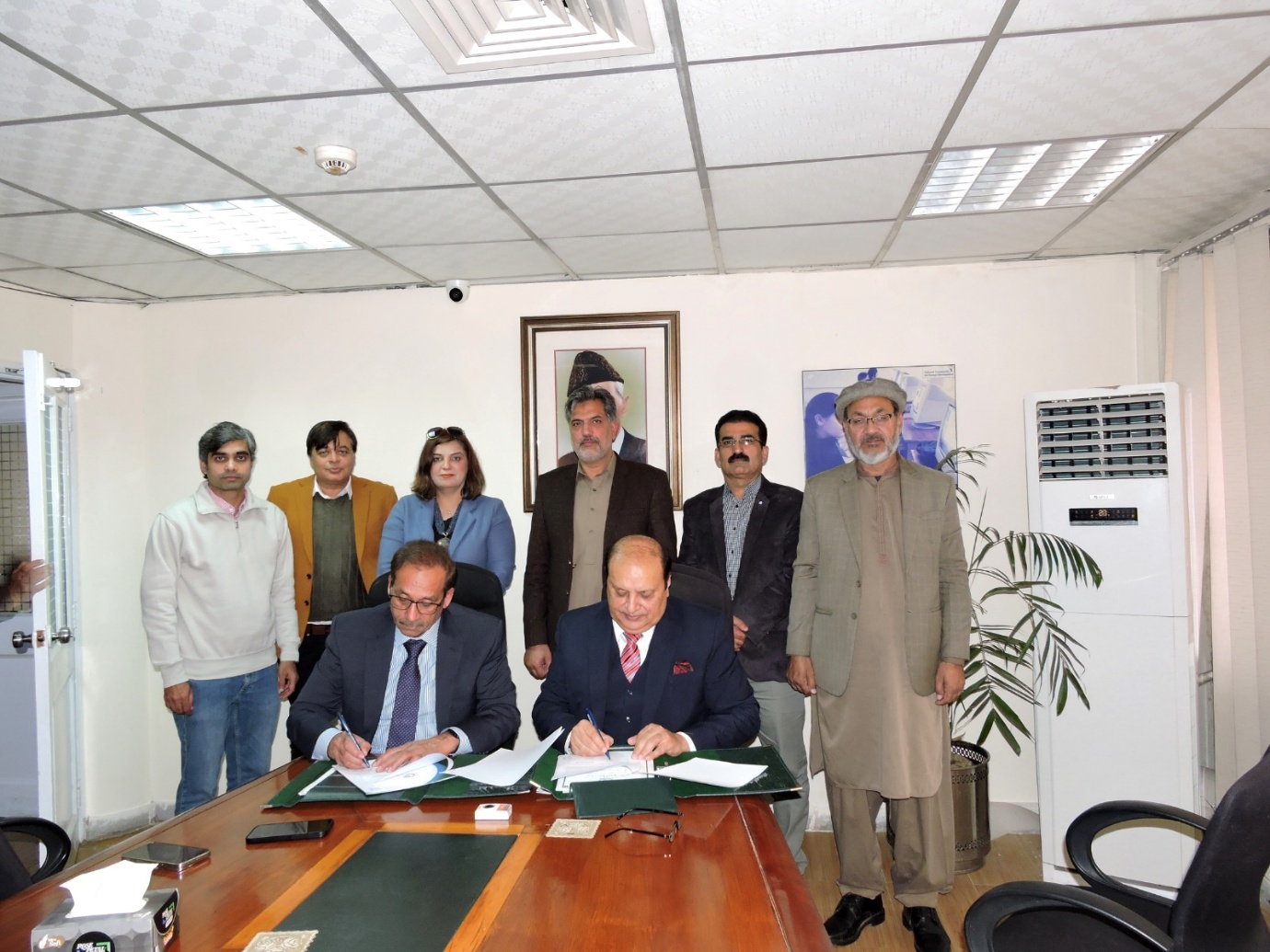
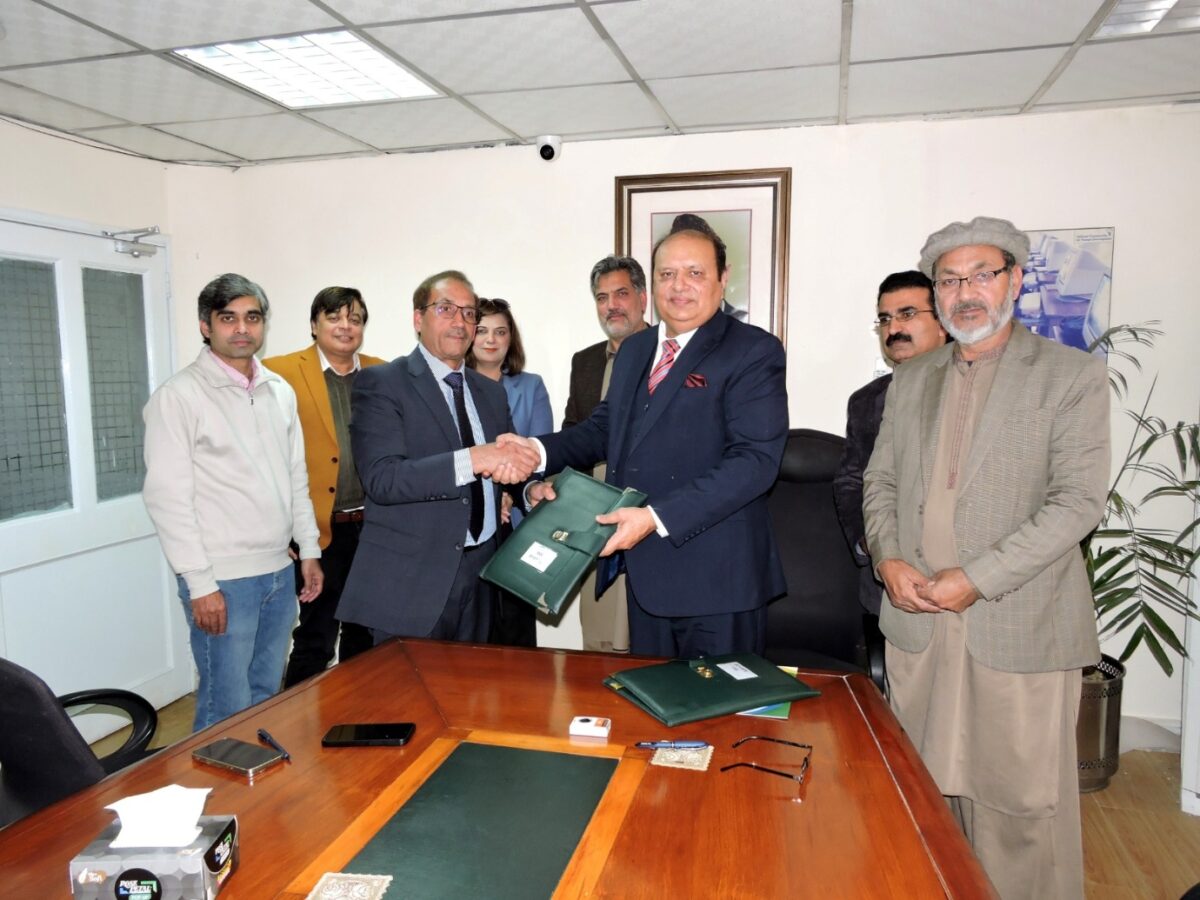
The National Commission for Human Development (NCHD) and Freedom Gate Prosperity (FGP) have signed a Memorandum of Understanding (MoU) to deepen collaboration on literacy promotion, community development, environmental education, and climate resilience. The agreement was formalized at NCHD Headquarters in Islamabad and sets a structured framework for joint, community-centered action.
The MoU was signed by Mr. Ali Asghar, Director General, NCHD, and Mr. Muhammad Anwar, Chief Executive Officer, FGP, in the presence of senior officials from both organizations. NCHD was represented by Mr. Habibullah (Director of Education), Syed Ali Akbar (Director of Literacy), Mr. Siraj Ahmad (Head of IT), and Ms. Farhat Yasmeen (Head of Media). The FGP delegation included Ms. Urooj Raza Sayyami (Board Member), Mr. Shafqat Aziz (Head of Climate Change), and Dr. Shahbaz Tariq.
Addressing Pakistan’s Learning Challenge
Speaking at the ceremony, DG NCHD Ali Asghar reaffirmed the Commission’s commitment to expanding quality learning opportunities nationwide. He underscored the urgency of Pakistan’s education challenge, noting that millions of children remain out of school. He emphasized NCHD’s focus on scalable literacy models, community engagement, and innovative approaches, including environmental education, to re-engage learners and improve outcomes.
He further highlighted national initiatives such as Each One Teach One (EOTO) and the Zero Out-of-School Children (OOSC) campaign, stressing that sustained progress requires coordinated partnerships and practical, field-tested solutions.
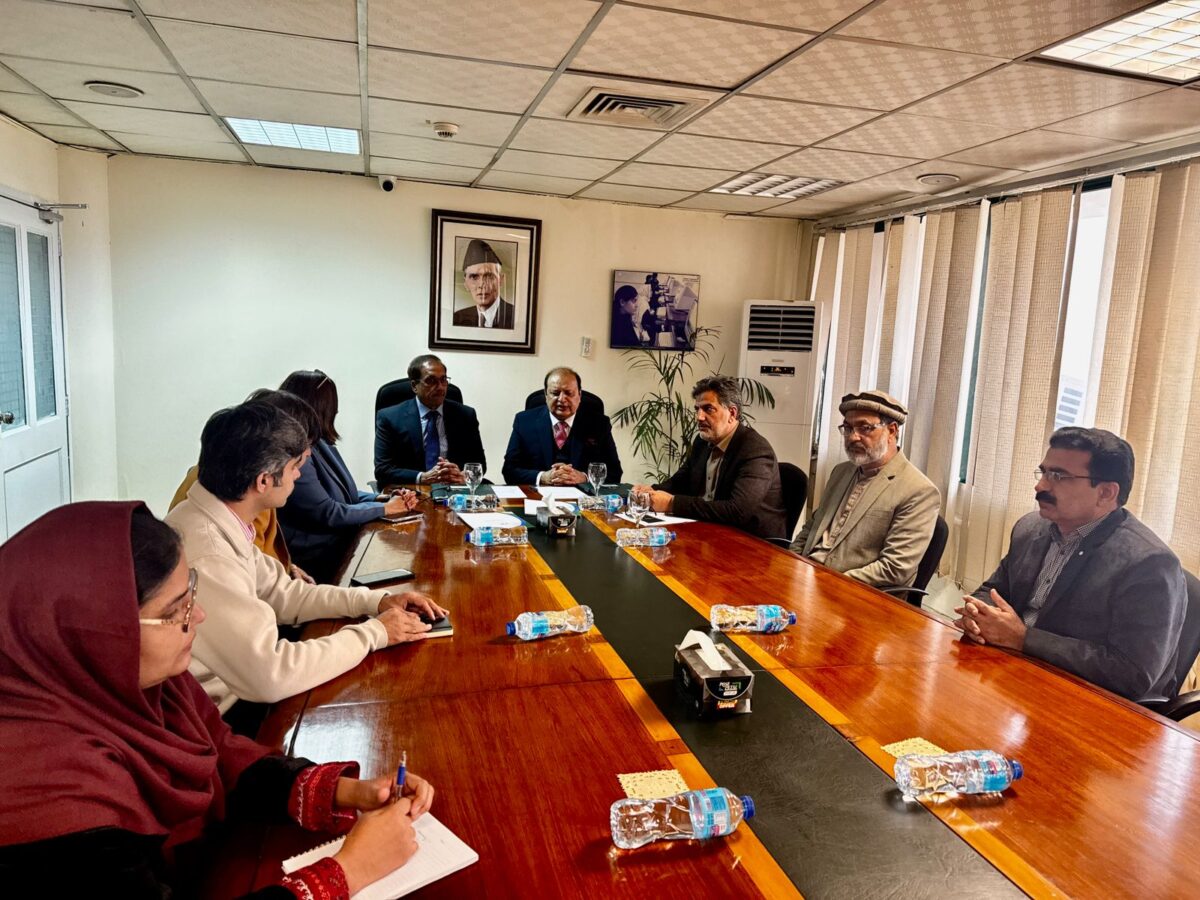
A Community-Driven Partnership
On behalf of FGP, CEO Muhammad Anwar welcomed the collaboration and outlined FGP’s approach to inclusive development and climate resilience. He noted that the partnership will enable both institutions to co-design community-led programs, strengthen local capacity, and integrate environmental and climate education that equips communities for emerging risks and opportunities.
Scope of Collaboration
The MoU establishes cooperation across several priority areas:
- Literacy and non-formal education initiatives
- Youth and women-focused community engagement
- Environmental and climate change education
- Research, advocacy, and digital innovation to expand access to learning
Both organizations agreed to develop joint work plans and pilot innovative models that enhance educational access, strengthen community resilience, and deliver measurable impact at scale.
Shared Commitment
The signing concluded with a shared reaffirmation to work toward a literate, informed, and resilient Pakistan, where children and communities have equitable access to learning, skills, and opportunities for sustainable growth